
As a landlord or tenant in California, understanding the distinction between “wear and tear” and “actual damage” is critical when it comes to security deposit disputes. This difference not only influences how security deposits are handled at the end of a tenancy but also helps landlords maintain properties efficiently and tenants receive fair treatment.
Damage versus Wear and Tear
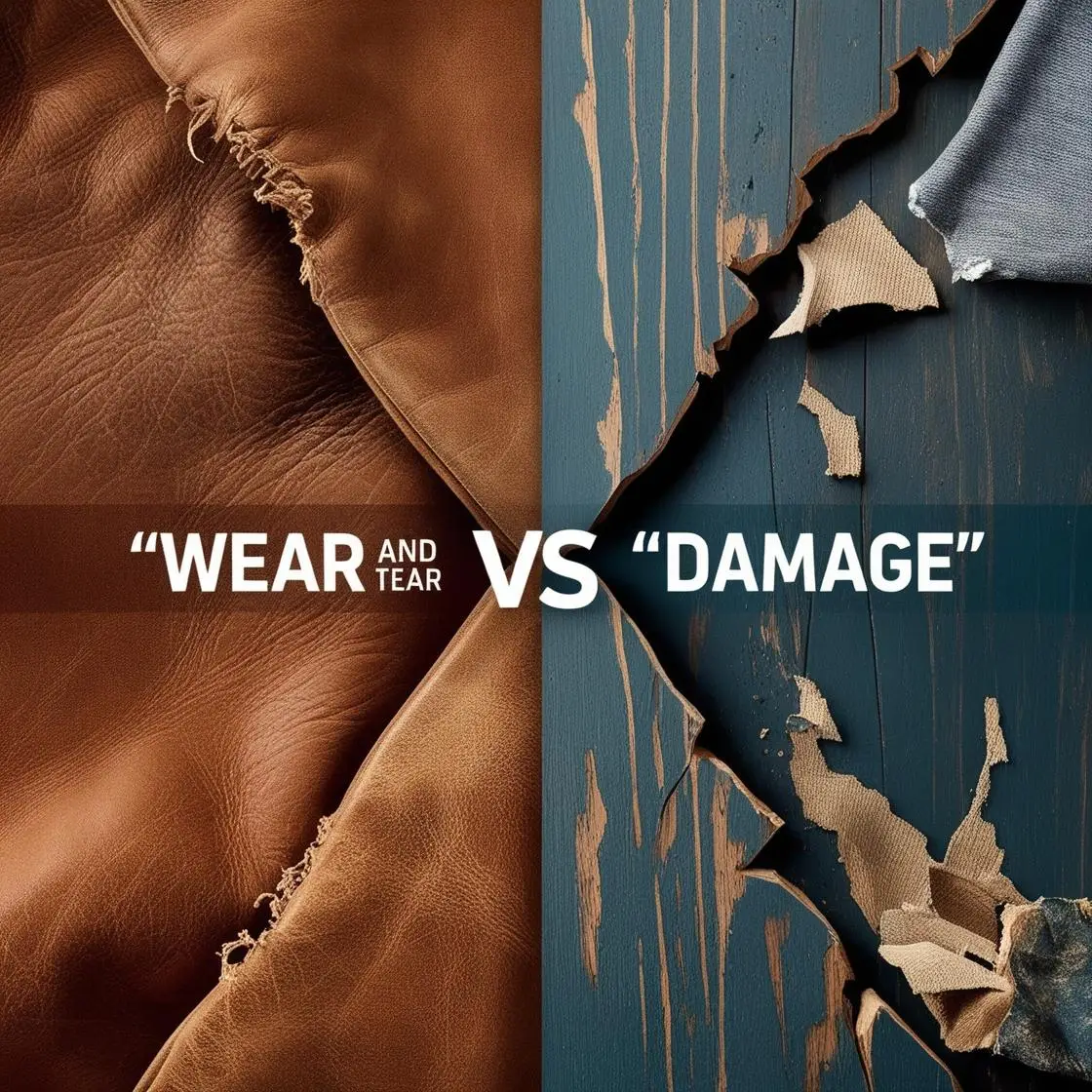
Defining Wear and Tear vs. Actual Damage
Wear and Tear:
Wear and tear refers to the natural deterioration of a property or its fixtures over time due to normal use. It is expected and cannot be charged to the tenant. Examples include:
- Faded paint or wallpaper
- Lightly scuffed hardwood floors
- Worn carpets in high-traffic areas
- Minor scratches on countertops
These changes occur even with the most conscientious tenants and are part of the normal aging process of a rental property.
Actual Damage:
Damage, on the other hand, results from misuse, neglect, or abuse. It goes beyond what is expected through normal use and can often be attributed to specific incidents. Examples include:
- Large holes in walls or excessive nail damage
- Stained or burned carpets
- Broken windows or fixtures
- Missing or broken appliances
Landlords can deduct the cost of repairing such damage from a tenant’s security deposit.
The Legal Framework in California
California law, specifically Civil Code Section 1950.5, governs the use of security deposits. The law clearly states that a landlord may use a tenant’s security deposit for:
- Unpaid rent.
- Cleaning the unit to return it to the same level of cleanliness at move-in.
- Repairing damage caused by the tenant (excluding ordinary wear and tear).
- Replacing personal property or fixtures damaged by the tenant.
Landlords cannot withhold funds from a security deposit for wear and tear. Moreover, landlords must provide an itemized statement and receipts for deductions exceeding $125. This documentation helps ensure transparency and protect tenants’ rights.
How Length of Tenancy Impacts Wear and Tear
The length of time a tenant occupies a unit plays a significant role in distinguishing wear and tear from damage. For example:
- Short-term tenancies (less than a year): Normal wear and tear will likely be minimal. Scuffs on walls or minor carpet wear may be negligible in such cases, and significant issues might more reasonably be classified as damage.
- Long-term tenancies (several years): Over extended periods, carpets may become worn, appliances may start to falter, and paint may fade. These changes should be expected and factored into the normal cost of property maintenance.
A landlord who rents to a long-term tenant must reasonably anticipate higher levels of wear and tear and plan accordingly, as the law protects tenants from being charged for these inevitable outcomes.
Life Expectancy of Items and Depreciation
Another critical consideration is the life expectancy of household items and fixtures. California law requires landlords to account for the age and condition of an item when assessing security deposit deductions. For example:
- Carpets: A carpet has a typical life expectancy of 5–10 years, depending on quality and foot traffic. If a tenant damages a carpet after five years of use, the landlord can only charge for the remaining depreciable value.
- Appliances: Major appliances like refrigerators, ovens, and dishwashers usually have a life expectancy of 10–15 years. If a tenant breaks an older appliance, deductions must be prorated based on its remaining useful life.
- Paint: Interior paint typically lasts 3–5 years before requiring a refresh. Scuffs and discoloration from long-term tenancy are considered wear and tear, while crayon marks or graffiti on walls are classified as damage.
This depreciation model ensures that landlords do not unfairly charge tenants for the full cost of replacing an item that has already lived out much of its useful life.
Examples of Wear and Tear vs. Damage

Best Practices for Landlords and Tenants
For Landlords:
- Conduct thorough move-in and move-out inspections. Document the property’s condition with photos and a checklist. Share these records with tenants to avoid disputes.
- Provide clear lease agreements. Specify expectations for property care and cleaning in the rental agreement.
- Account for depreciation. Familiarize yourself with the life expectancy of various items and calculate deductions accordingly.
- Communicate promptly. When issues arise, inform tenants immediately to address concerns and minimize long-term damage.
For Tenants:
- Document the move-in condition. Take photos and note pre-existing issues to protect yourself against unfair claims.
- Maintain the property. Regular cleaning and timely reporting of maintenance needs can prevent unnecessary damage.
- Communicate with the landlord. If accidental damage occurs, notify the landlord promptly to discuss repair options.
- Restore the property. Before moving out, clean thoroughly and make minor repairs, like patching nail holes, to minimize deductions.
What Happens if Disputes Arise?
Despite best efforts, disagreements over security deposit deductions can occur. California tenants have the right to:
- Request receipts for repairs or replacements.
- Contest unreasonable charges in small claims court.
Landlords should keep detailed records, including inspection checklists, receipts, and photos, to defend their deductions. Transparency and fairness go a long way in resolving disputes amicably.
Key Takeaways for Tenants and Landlords
Understanding the difference between wear and tear versus actual damage is essential for maintaining trust and avoiding disputes. Here’s a summary of key points:
- Wear and tear are normal and not deductible from the security deposit, while damage caused by neglect or misuse is chargeable.
- California law protects tenants by requiring landlords to document deductions and consider depreciation.
- The length of tenancy and the life expectancy of items are critical factors in determining reasonable deductions.
- Clear communication and detailed documentation can help landlords and tenants navigate security deposit issues more effectively.
By following these guidelines, both parties can ensure a fair and smooth move-out process, preserving relationships and avoiding unnecessary legal hassles.
Best Practices for Documenting Property Condition
Importance of Thorough Documentation: Emphasize the need for detailed move-in and move-out inspections.
Tools and Technology for Documentation: Recommend apps and tools that can help landlords and tenants document property conditions effectively.
How Keyrenter Newport Beach Property Management Can Assist: We use the latest technology to document before and after home pictures with details to avoid disputes.
Conclusion
Understanding the nuances between wear and tear and actual damage can prevent conflicts and ensure fairness in security deposit returns. By following best practices and utilizing professional management services like those offered by Keyrenter Newport Beach Property Management, landlords and tenants can maintain a positive and efficient rental experience.